 CANDLES CANDLES
- Extinguish all lit items when you leave a room, the home, or go to
bed
- Keep away from flammable items, including clothing, curtains,
books, papers, decorations or plants
- Don’t put candles in windows where a breeze can ignite objects
near the candle
- Do not place lit items low where they can be knocked over by
children or pets
- Store matches, lighters, incense and candles high up where
children can’t reach
- Use only approved candle holders and incense stands, never
plates or ashtrays
- Keep wicks trimmed and wax free of matches or old wick
clippings.
Do not play with candles with small children, teach them that they
are hot and can burn them |
 COOKING
SAFETY COOKING
SAFETY
- Create a three foot kid free zone around your stove
- Never leave anything on the stove or in the microwave unattended
- Keep cooking areas clean and free of combustible materials such as
towels, grocery bags, curtains, etc.
- Keep pot handles turned inward to prevent bumping
- Always keep a pot holder, oven mitt and lid handy
- For small grease fires in pans, smother with a lid
- Never pour water on a grease fire
- Never discharge a fire extinguisher into a pan
When in doubt, get out of the house and call your local fire
department |
 CLOTHES DRYERS
- Do not run your dryer without a lint filter; clean the filter
between every use, remove lint from around the drum
- Make sure your dryer is plugged into an outlet that can handle its
electrical needs
- Turn off your dryer when you leave the home – do not let it run
while you are gone
- Keep your dryer area clean and free of combustible materials
(boxes, clothes, garbage, old lint, etc.)
Have your dryer installed by a professional and have gas powered
dryers regularly inspected to ensure that the gas lines and
connections are correct
|
 CAMPING/FIREWORKS
- Set up your campfire downwind from tents, and far enough away to
prevent sparks from igniting combustibles
- Use tents that are flame retardant
- Do not use liquid filled lanterns or heaters inside the tent –
battery powered lights are best
- Store fire starters away from tents and only use dry kindling for
fires
- ALWAYS extinguish fires when leaving the area or going to bed
- Stay at least 500 feet away from professional firework displays
- Leave any area where amateurs are using illegal fireworks
- If you find fireworks, contact authorities for proper
removal/disposal
- Don’t let small children play with firecrackers or sparklers
Be aware that fireworks can cause burns, lacerations, amputations
and blindness |
 EXTENSION CORDS/ ELECTRICAL
- Extension cords are for temporary use, not long term. Consider a
surge protector for prolonged needs
- Make sure all cords are in good condition and not frayed or cut
- Do not overload extension cords. Read the ratings label to see
specifications.
- Do not place cords where they can be rubbed by furniture or doors
- Always check the wattage in light bulbs to make sure you are using
the correct bulbs in light fixtures to prevent overheating
- Never use a larger size fuse or circuit breakers, they can be a
significant fire hazard
Check outlets and light switches for heat; if they are unusually
hot, you may have a problem with your wiring, call a licensed
electrician to check as soon as possible |
 CHILDREN
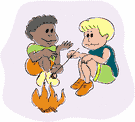
- Teach your children the dangers of playing with lighters and
matches and to tell an adult if they find matches or lighters or if
they see another child playing with fire
- NEVER play with fire in front of children; they may think it’s
a game
- Store lighters, matches and other smoking materials up high away
from children, preferably in a locked cupboard
Be aware that children who start fires may be reaching out, they
may be in a crisis situation. If you suspect that a child you know may
be starting fires, call your local fire department, school or
counseling agency to get help for the child as soon as possible. |